Upgrade Your Home: Inspiring Concepts for Beautiful Home Additions
Upgrading a home through well-considered additions can meaningfully elevate both its utility and curb appeal. From sun-drenched sunrooms that maximize daylight to spacious decks ideal for gatherings, the options are plentiful. Enlarging essential spaces, such as kitchens, encourages togetherness, while a dedicated garage can eliminate storage problems. Recognizing fundamental design components and thoughtful preparation is essential. Yet, what really drives homeowners to adopt these transformations? The answer lies in the transformative power of well-executed home additions.
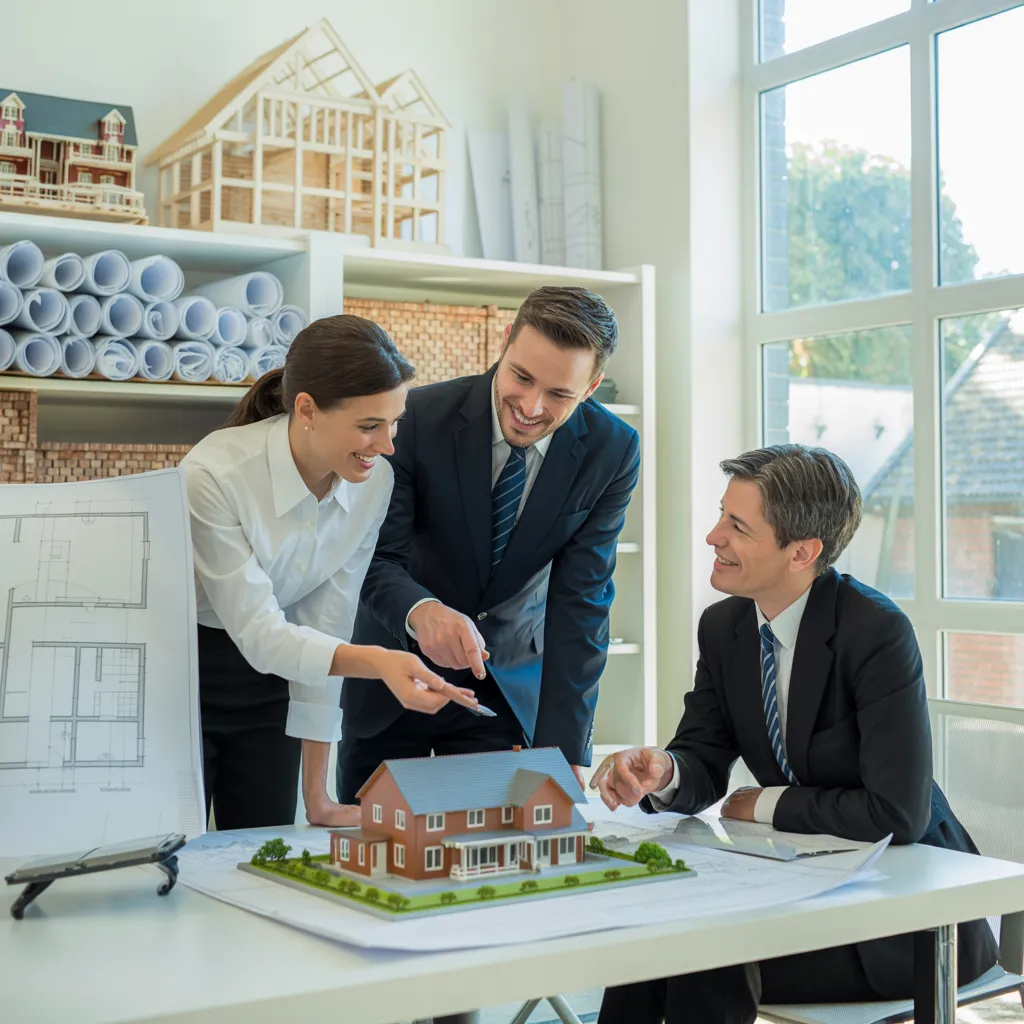
Browse Popular Home Addition Concepts to Reinvent Your Space
Homeowners frequently look for creative methods to improve their living spaces, and discovering trending home addition concepts can provide remarkable improvements. One widely favored option is the addition of a sunroom, which brings natural light indoors while creating a serene space for relaxation. A similarly desirable addition is a deck or patio, expanding the usable space into the outdoors and ideal for hosting gatherings.
Homeowners can also explore enlarging their kitchen spaces, rendering them more practical and welcoming. Adding a garage not only offers extra storage but may also be used as a dedicated workspace or hobby area.
For homeowners requiring extra sleeping spaces, a bedroom addition can offer essential privacy and comfort. Furthermore, repurposing attics or basements into usable spaces creates an opportunity for imaginative design while optimizing the available square footage. All of these concepts carry the potential to improve both practicality and visual appeal, ultimately turning a home into a more pleasant living space.
Ways Home Additions Can Improve Your Lifestyle?
Home additions can significantly improve living space, offering families the opportunity to grow and adapt. Moreover, expanding a home can lead to increased property value, making it a sound investment. Lastly, these expansions frequently strengthen family bonds by developing common areas for shared activities and gatherings.
Elevate Living Space
Expanding a home through residential additions can significantly transform one's lifestyle by providing greater convenience and ease. For growing families, extra rooms can address evolving needs, such as a playroom for children or a home office for remote work. A thoughtfully designed addition can create a natural transition between interior and exterior areas, encouraging leisure and connection. Additionally, integrating elements like open floor plans or large windows encourages a sense of spaciousness and natural connection. Improved living areas also support customized design decisions, expressing unique tastes and styles. Ultimately, home expansions not only maximize existing spaces but also create environments that promote well-being and improve daily living experiences.
Raise Property Value
Putting money into residential expansions can substantially boost a property's market value, making it an intelligent financial move. By increasing living space or adding functional spaces, property owners can draw in prospective buyers and raise property values. Features such as additional bedrooms, updated kitchens, or flexible living spaces often yield significant returns on investment. Additionally, enhancements like sunrooms or decks not only improve aesthetics but also appeal to lifestyle desires, ultimately enhancing marketability. A carefully designed expansion can convert a property into a higher-value investment, responding to today's market conditions and buyer interests. Overall, purposeful residential additions offer an intelligent method of optimizing real estate worth while improving the day-to-day lifestyle of existing residents.
Strengthen Family Bonds
A carefully crafted addition can significantly improve family bonds by developing spaces that encourage interaction and closeness. Open-concept designs, such as family rooms or spacious kitchens, function as hubs for collective activities, encouraging communication and bonding. Purpose-built areas for hobbies or playrooms offer children a place to interact, while adults can appreciate nearby social spaces. Moreover, incorporating outdoor living spaces, like patios or decks, enables families to congregate in a comfortable environment. These additions not only promote everyday interactions but also provide a backdrop for cherished gatherings and celebrations. At their core, thoughtfully designed home additions transform living environments into enriching spaces that strengthen family ties, elevating overall quality of life.
Important Design Elements to Elevate Your Home Addition
When property owners think about a home addition, integrating essential design elements can greatly improve both visual appeal and practicality. Important components consist of natural light, which can be attained with large windows or skylights, creating a bright and inviting space. Moreover, an open floor plan promotes seamless flow between current and added spaces, fostering a sense of continuity.
Using complementary materials and colors assures the addition complements the existing framework, maintaining architectural harmony. Thoughtful configuration of fixtures and furnishings enhances functionality, ensuring the area serves everyday needs. Outside transitions, including a patio or deck, serve to enlarge living spaces and inspire outdoor engagement. Additionally, energy-saving design solutions, featuring here adequate insulation and green materials, support lasting savings and ecological mindfulness. By prioritizing these key design components, residents can craft a harmonious and stunning addition that enriches their home life.
Effectively Plan Your Home Addition Project
Careful planning is critical for a successful home addition undertaking. Property owners should commence by identifying their priorities, whether it's expanding their living area, enhancing functionality, or elevating the property's worth. Establishing a clear vision assists in directing the planning and building process. Next, researching local zoning laws and building codes is necessary to guarantee compliance and avoid potential setbacks.
Building a roadmap that maps out every phase of the work helps with ensuring clarity and responsibility. Homebuilders would benefit from engaging qualified professionals, for example architects or construction professionals, for professional insight and to optimize the project.
In addition, focusing on collaborative communication among all parties builds a collaborative environment and handles concerns promptly. As a final consideration, considering long-term needs can assist in crafting an addition that maintains its value and functionality. By applying these principles, homeowners can approach their home addition endeavors with increased certainty and focus.
Planning Your Home Addition Budget: Key Tips
Creating a budget for a home addition necessitates meticulous planning and consideration to avoid unexpected expenses. Property owners should start by identifying a practical budget that encompasses all components of the project, such as permits, building materials, labor costs, and contingency expenses. It is advisable to allocate an additional 10-20% of the total budget for unforeseen situations.
Reviewing and contrasting prices from different contractors can provide valuable insights and help in making informed decisions. Moreover, property owners should weigh their necessities against their preferences, guaranteeing that key components are incorporated while staying within their budget.
Creating a thorough timeline can help with coordinating expenses with development milestones, minimizing economic stress. Ultimately, working with a financial expert or a building expert can provide further clarity on potential costs and financing options, ensuring that the spending stays on track throughout the home addition process. This strategic approach contributes to a effective and economically viable home expansion.
Inspiring Real-Life Home Addition Transformations
Remarkable home addition transformations showcase the remarkable capacity of living spaces. A prime example is a quaint compact home that was subject to a transformative renovation with a sleek, modern addition. By adding a spacious culinary and dining zone, the homeowners improved their cooking experience while developing a warm social space for family and friends.
A remarkable transformation highlights a compact dwelling that expanded vertically with a delightful loft, maximizing space while introducing a comfortable reading corner. This smart architectural choice not only added functionality but also brought personality to the space.
Ultimately, a traditional ranch house welcomed a sleek style with a floor-to-ceiling glass sunroom, bathing the interior in warm natural light and offering stunning views of the garden at the rear of the property.
These real-world transformations showcase the numerous opportunities for residential additions, motivating homeowners to consider their own personalized improvements and redefine their living environments.
Commonly Asked Questions
What Permits Are Required for a Home Addition Project?
For a home addition project, one typically needs a building permit, zoning approval, and potentially electrical or plumbing permits. Local regulations vary, so speaking with local authorities is essential to confirm full compliance with applicable regulations.
What Is the Typical Timeline for Completing a Home Addition?
An average home addition usually takes between two to six months to complete, depending on factors such as complexity, size, weather conditions, and permits. Effective planning and contractor performance can significantly impact the timeline.
Can I Continue Living in My Home Throughout the Addition Process?
Yes, homeowners can generally remain in their homes during the addition process. However, elements like the project's scale, construction location, and noise levels may disrupt daily comfort and access, necessitating temporary arrangements or modifications during the building process.
What Are Common Mistakes to Avoid When Planning an Addition
Frequent errors to watch out for when planning an addition include underestimating costs, neglecting permits, disregarding structural requirements, neglecting to evaluate future demands, and not consulting professionals. Thorough planning ensures a more seamless process and superior outcomes.
What Is the Best Way to Choose the Right Contractor for My Project?
To select the ideal professional, one should review credentials, examine testimonials, and guarantee effective communication. Reviewing various quotes and examining prior experience can assist in identifying dependability and suitability for the specific residential expansion project.